How to Hide a Safe Guide - Ideas for Hiding Safes

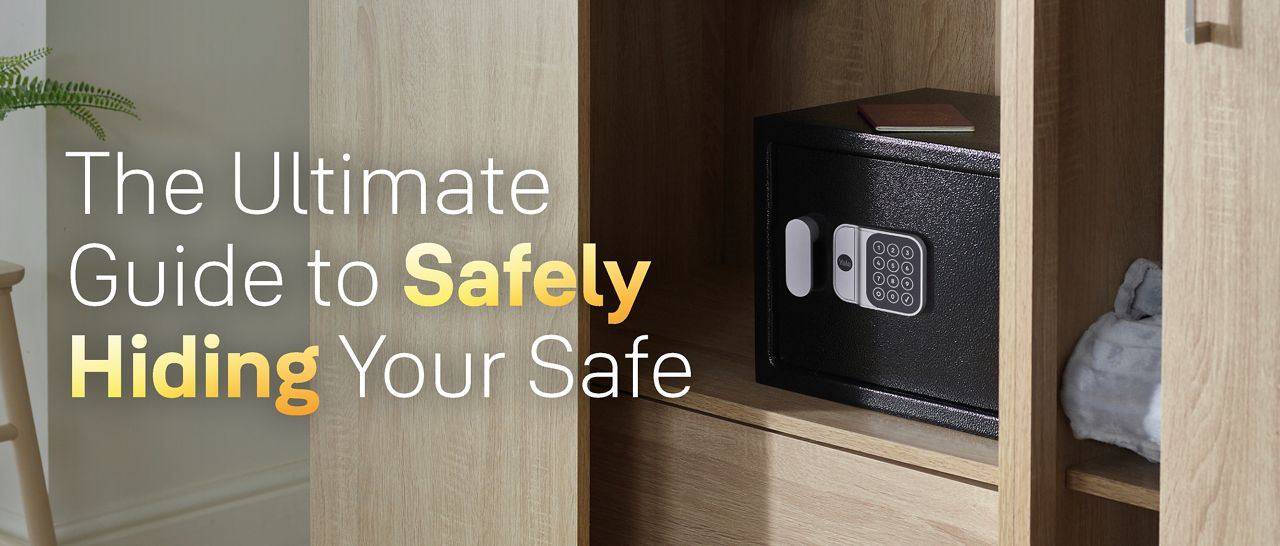
Safeguarding your valuables is crucial, whether you own a home or run a business. A safe can help deter theft but learning how to hide a safe adds another level of security to your property. Safes are vital for protecting personal keepsakes at home or important documents and cash in a business setting, as well as guarding against risks like theft and fire. However, their size often makes them difficult to conceal completely.
This guide offers practical ideas on how to hide your safe, making it less likely to attract burglars or be discovered during a break-in.
Tip #1: Choose the Right Safe
Before hiding your safe, first select one that best suits your needs. Safes come in various sizes and security levels. Some are fire-resistant, while others are designed to withstand tampering and drilling. Wall safes, mini safes, and large freestanding safes each require different hiding approaches. When choosing a safe, also consider how you want to access it, your choices include key, keypad, fingerprint, or app entry. Yale offers a wide range of mechanical and smart safes to suit different levels of protection and spaces, ensuring that you can find the right balance between security and convenience for your home or business.
Tip #2: Conceal within Furniture
One of the most popular methods to hide a safe is to integrate it into furniture. For home use, consider disguising a safe inside cupboards, wardrobes, or even beneath floorboards. In business settings, think about embedding safes into office desks or filing cabinets. Custom-built furniture with hidden compartments can be an excellent way to keep your safe out of sight. It’s also important to securely anchor safes to walls or floors as this helps prevent them from being easily removed or stolen. For added security, Yale has a smart cabinet lock, which can enhance security for your safe by making it more difficult to get into any cabinet within your home, whether it hides a safe or not.
Tip #3: How to Hide Wall Safes - Use Picture Frames or Mirrors
Wall safes are designed to be installed within walls, making them inherently more concealed than standalone safes. To mask their presence, place them behind large picture frames, mirrors, or wall panels. This simple yet effective technique prevents easy detection by burglars.
Tip #4: Install Your Safe in Less Obvious Locations
Avoid typical hiding spots such as the master bedroom or home office. Instead, opt for less obvious locations like the basements, attics, or rarely used rooms. Businesses might consider discreet storage rooms or under staircases. Remember: even the best hiding spot is only effective if very few people know about it. Limit knowledge of the safe’s location to trusted family members or employees.
Tip #5: Enhance Security with Additional Measures
Hiding a safe is important, but don’t rely on concealment alone. Additional security measures can deter intruders and complement the security of your safe. Consider installing security alarms, CCTV cameras, motion sensors, or robust locks. The Yale Smart Security Family of devices can provide your home or business with this additional level of security. For example, the Yale Smart Indoor Camera provides full HD live streaming and recording, with notifications sent the moment motion is detected. Combining a well-hidden safe with smart security devices can significantly improve the overall safety of your valuables.
Hiding a safe is both an art and a science. By choosing the right safe, using clever concealment techniques, and adding supplementary security measures, you can greatly reduce the risk of theft. Whether it's for your home or business, investing time in hiding your safe effectively is a worthwhile step toward peace of mind and protecting the things that matter most. Discover the Yale range of safes.