Key Differences of Security Cameras for Small Apartments vs. Large Homes

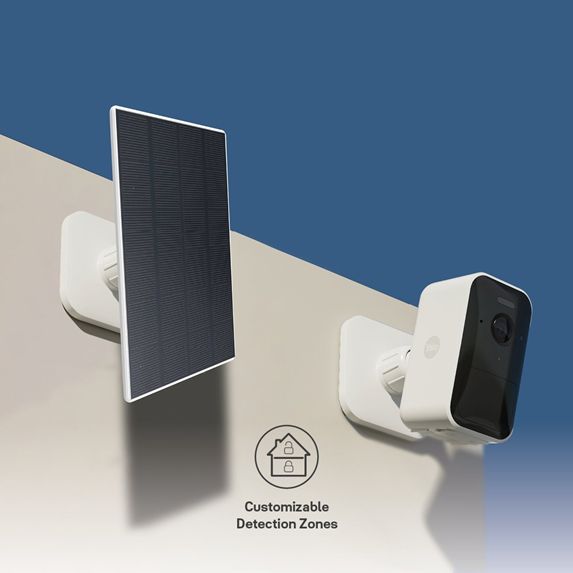
Home security is different for everyone, depending on where you live. There aren’t many ways into a small apartment. A big house will have numerous doors, windows, and patios. The best security cameras for your property should be proportional to the size and needs of the space.
Cameras aren’t just for businesses or public spaces anymore. They are now integrated into everyday life. Selecting the right model can be crucial to feeling secure and not missing any relevant activity.
Why Size Matters When Choosing Security Cameras
The type of experience you want from a security system depends heavily on the size and layout of your home. A studio may need only one or two security cameras, while a large house with multiple floors and outdoor areas requires a more complex setup.
Coverage Needs Vary by Property Size
Size matters because gaps in coverage can leave you vulnerable. In a small apartment, one camera may be enough to cover the living room, while another at the door can track visitors or deliveries. But in a larger home, a single device won’t capture driveways, garages, gardens, or other key zones. Matching the security cameras’ system to the property ensures full coverage and fewer blind spots.
How Layout Affects Camera Placement and Quantity
Layout is just as important as size. In a compact apartment, one wide-angle camera might cover a hallway, while a two-story home or open-plan design requires several cameras to prevent hidden areas. Stairs, large windows, and outdoor decks all create new vantage points that should be accounted for. By understanding the layout of your home, you can determine not just how many security cameras you need, but also where they will perform best.
.
Security Cameras for Small Apartments
When you’re living in an apartment, it doesn’t take long to realize the constraints of space. It also means fewer entry points. Even with strong locks, security cannot cover everything.
Focusing on Entrances, Hallways, and Common Areas
Entrances are the top priority. There should be a camera pointing at the front door so you can see who’s knocking or dropping off a package. In a shared building, it can also monitor hallway activity outside the unit.
In some cases, one camera in the main living space will suffice for the remaining portions of an apartment. Small rooms require fewer cameras, but their positioning is crucial. One wide-angle device could replace several.
Choosing Compact, Discreet Cameras
Apartments benefit from security cameras that blend into the space. Compact models are simple to set up and won’t occupy much room. Wi-Fi cameras are even better for small homes. They’re easy to install and easy to move without drilling holes. Since they’re simple to set up, they’re useful for renters too.
Security Cameras for Large Homes
Large houses have different needs. More floors, outdoor areas, and larger rooms require greater coverage. True security isn’t about one camera, it’s about an integrated system.
Covering Multiple Floors and Outdoor Areas
Every floor must have security cameras of its own. Entry doors such as back doors, basements and side gates are often ignored but equally important as the front.
Outdoor spaces add another layer. If you want to monitor your driveway, garage or garden, especially if it’s a bit secluded, you’ll need cameras built to withstand the elements. These models are constructed with sturdy casings and a wider range, providing dependable outside coverage.
Using High-Resolution Cameras for Wide Spaces
For big rooms and outdoor areas, you’ll want a sharper image. High-resolution cameras deliver detail across the entire image when monitoring large areas. This matters if you are trying to make out a face or a license plate from far away.
Zoom options can also aid in large spaces. Rather than deploying multiple cameras, a single device with a strong lens can cover more space. By placing quality over quantity, the system is effective and efficient.
Practical Features That Matter for Every Home
Regardless of size, certain things still matter. A good security camera should be able to provide clear alerts as well as function well in both high light and dark conditions.
Motion Detection and Alerts
Motion detection makes a camera more useful. Rather than record continuously, it saves only when something is moving. It means that the phone will send alerts so owners can stay updated without having to constantly monitor.
In apartments, that might mean knowing when a package gets delivered. In the case of houses, it might mean spotting someone through a gate. Either way, motion alerts turn an ordinary feed into a real-time tool.
Night Vision and Low-Light Performance
Security is not reserved for daytime. Night vision is a key feature of any camera. It makes sure you can see activity even when there’s little light.
Apartment buildings often require cameras that function in dark hallways. Roomy houses need strong night vision for yards and driveways. Infrared or low-light sensors provide clarity when it’s needed most. Security cameras allow you to feel secure both day and night.