Smart Locks vs Mechanical Locks: How to Choose the Right Security Solution for Your Home
Today, homeowners in India can choose from a wide range of mechanical and smart locking solutions, each designed to address different security, convenience, and lifestyle needs. The question is not necessarily whether a smart lock is better than a mechanical lock. Instead, it's about understanding which solution is best suited to your home, your family, and the way you live.
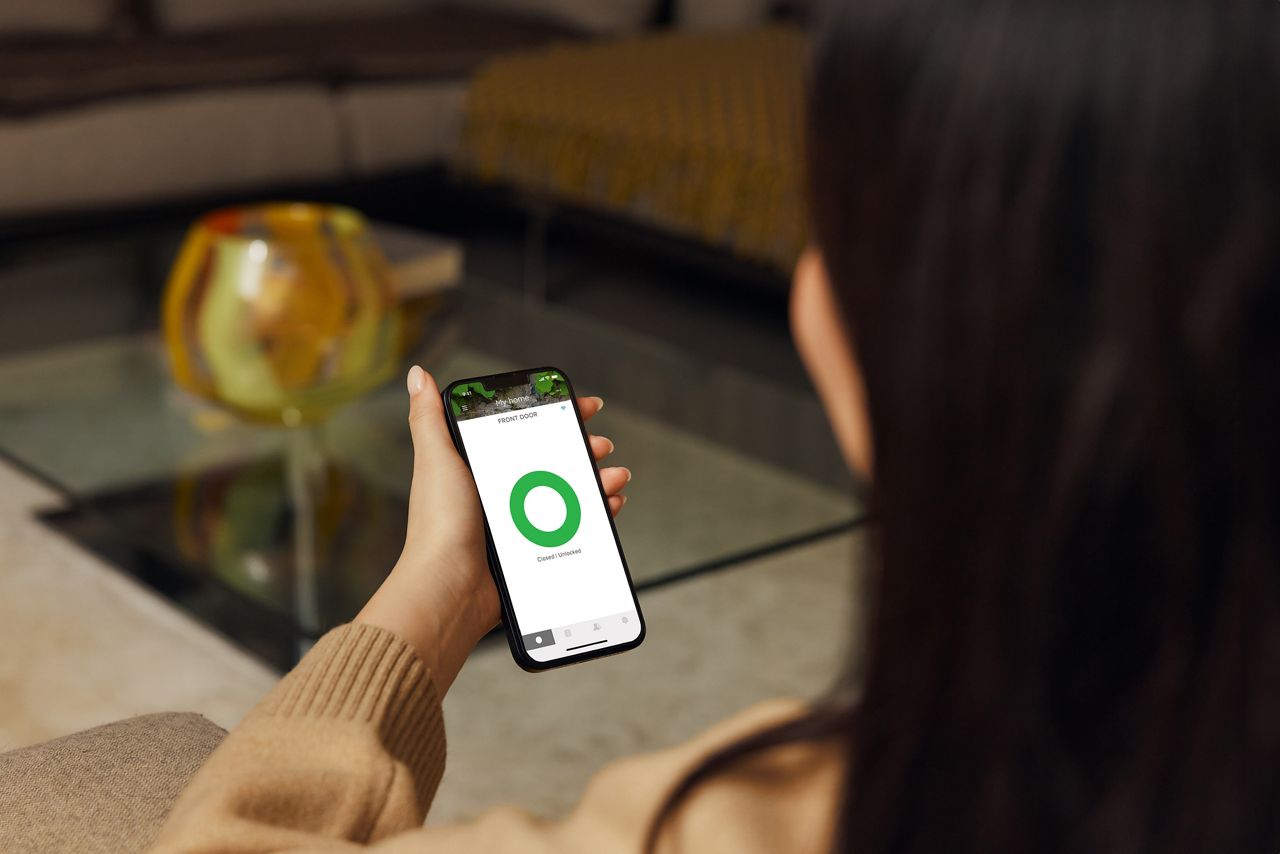
Yale offers a comprehensive range of both smart locks and mechanical locks, allowing homeowners to choose the level of security, convenience, and access control that aligns with their requirements. Smart locks offer features such as fingerprint access, PIN codes, RFID cards, app connectivity, and keyless entry, while mechanical locks continue to be trusted for their simplicity, reliability, and broad application across residential properties.
When evaluating your options, it can be helpful to consider four key factors: Cost, Convenience, Compatibility, and Control.
1. Cost: Looking Beyond the Purchase Price
One of the most common considerations for homeowners is cost. However, rather than focusing only on the initial purchase price, it's important to evaluate the total cost of ownership over the life of the lock.
Mechanical Locks
Mechanical locks are often viewed as a straightforward investment because they typically involve:
- A one-time product purchase
- Standard installation requirements
- Minimal ongoing maintenance
For many homeowners, especially those seeking dependable security without additional features, a high-quality mechanical lock can provide long-term value.
Smart Locks
Smart locks may require a higher initial investment, depending on the model and functionality. However, they can deliver additional value through:
- Keyless entry options
- Multiple user access credentials
- App-based access management on connected models
- Remote monitoring and control capabilities
- Reduced dependence on physical keys
For households that prioritize convenience and flexible access management, these benefits may contribute significantly to the overall ownership experience.
Questions to Ask
- What is my budget for home security?
- Am I evaluating only upfront costs or long-term value?
- Will convenience features provide measurable benefits for my household?
2. Convenience: How Do You Access Your Home Every Day?
The way you interact with your door every day can have a significant impact on which lock type feels most practical.
Mechanical Locks
Mechanical locks offer a familiar experience:
- Physical key operation
- No batteries to monitor
- Easy adoption across all age groups
This makes them a preferred choice for homeowners who value simplicity and traditional access methods.
Smart Locks
Smart locks are designed to streamline entry by offering multiple access methods such as:
- Fingerprint recognition
- PIN code access
- RFID cards
- Mobile app access on connected models
- Mechanical key backup on many models
These features can be particularly useful for families, working professionals, elderly parents, or households with domestic staff.
Questions to Ask
- Do family members frequently forget or misplace keys?
- Are multiple people accessing the property regularly?
- Would keyless entry simplify daily routines?
3. Compatibility: What Works Best With Your Door?
Not every door has identical security requirements.
The ideal lock depends on factors such as:
- Door material
- Door thickness
- Entry door versus internal door
- Existing hardware setup
- New installation versus retrofit application
Mechanical Locks
Mechanical locks are available for a broad variety of door types and applications, making them suitable for:
- Main entrances
- Secondary doors
- Utility rooms
- Gates
- Commercial applications
Smart Locks
Smart locks may require specific door specifications depending on the model selected. Installation considerations vary based on the lock type and structure of the door.
Questions to Ask
- What type of door am I securing?
- Is my lock part of a renovation or a new installation?
- Will I require additional security features or access methods?
4. Control: How Much Access Management Do You Need?
Control refers to how access is granted, monitored, and managed.
Mechanical Locks
With mechanical locks, access is managed through physical keys.
This approach may be ideal for:
- Homeowners who prefer traditional security methods
- Locations with a limited number of users
- Areas where access requirements rarely change
Smart Locks
Smart locks can provide greater flexibility in managing access through:
- Multiple user credentials
- Temporary or scheduled access options on supported models
- Connected monitoring features
- App-based management capabilities
This can be particularly valuable for households that regularly accommodate guests, domestic staff, caregivers, or service personnel.
Questions to Ask
- Do I need to manage access for multiple users?
- Would temporary or flexible access permissions be useful?
- Is remote visibility of my main door important to me?
Smart Lock, Mechanical Lock, or Both?
For many homeowners, the answer may not be one or the other.
In fact, a layered approach is increasingly common:
- A smart lock on the main entrance for day-to-day convenience.
- Mechanical locks securing secondary doors, gates, or utility areas.
- Smart locks with mechanical key override offering an additional access option.
By combining different types of locks where appropriate, homeowners can tailor security solutions to the specific requirements of each access point.
Final Thoughts
The decision between a smart lock and a mechanical lock is ultimately a personal one. Rather than focusing on which technology is superior, homeowners should consider four key factors: Cost, Convenience, Compatibility, and Control.
A mechanical lock may be the ideal solution for those who value simplicity and familiarity. A smart lock may appeal to homeowners seeking keyless entry, flexible access management, and connected convenience.
By understanding your needs and evaluating how your home is used every day, you can make a more informed decision and choose a security solution that fits your lifestyle today and in the years ahead.